|
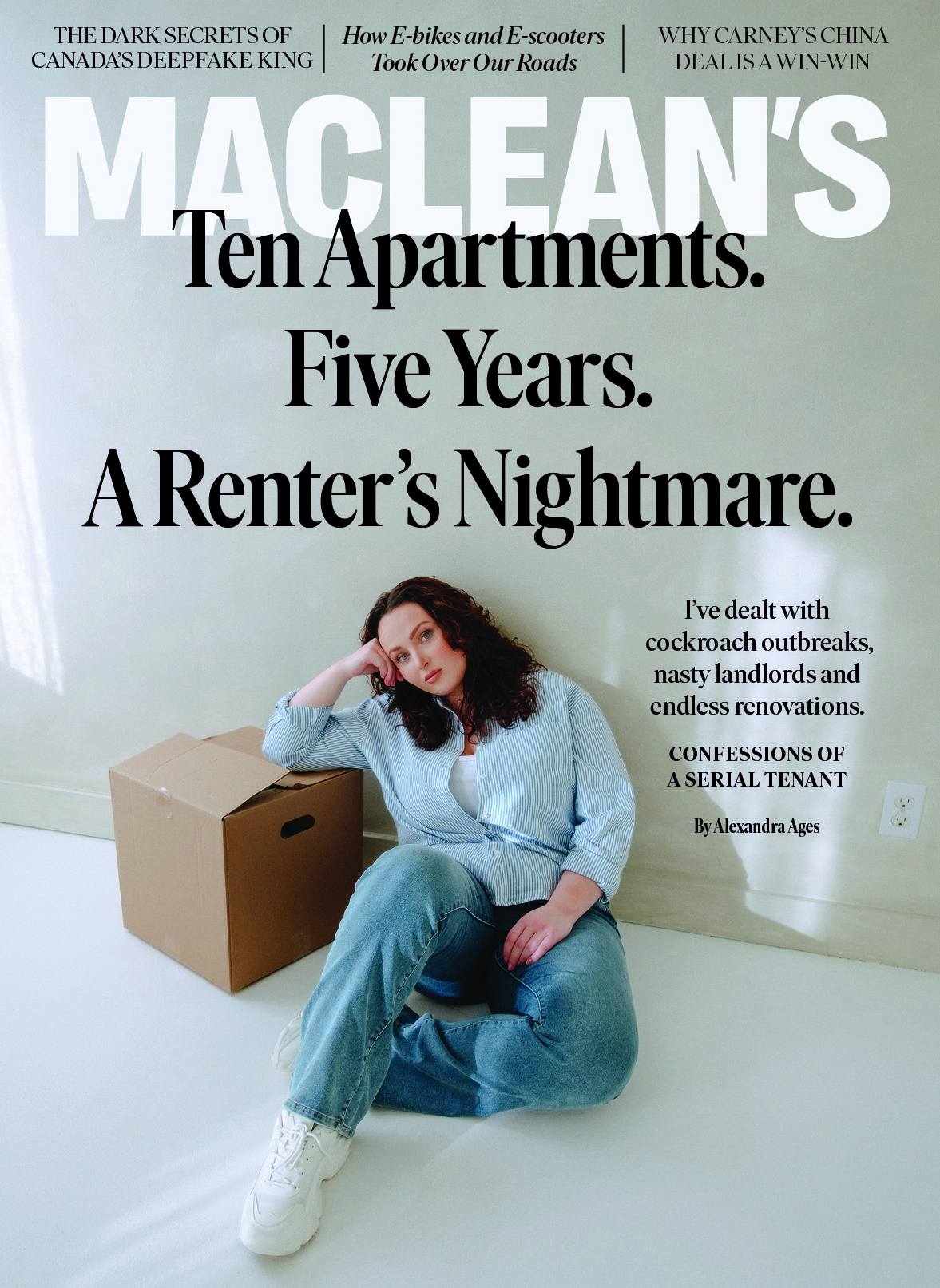
Lately, I find it hard to figure out if what I’m seeing on social media is even remotely true. Agents of misinformation use sophisticated AI tools to blur reality and fiction. My new rule is to trust nothing unless it appears in a credible media outlet that verifies information.
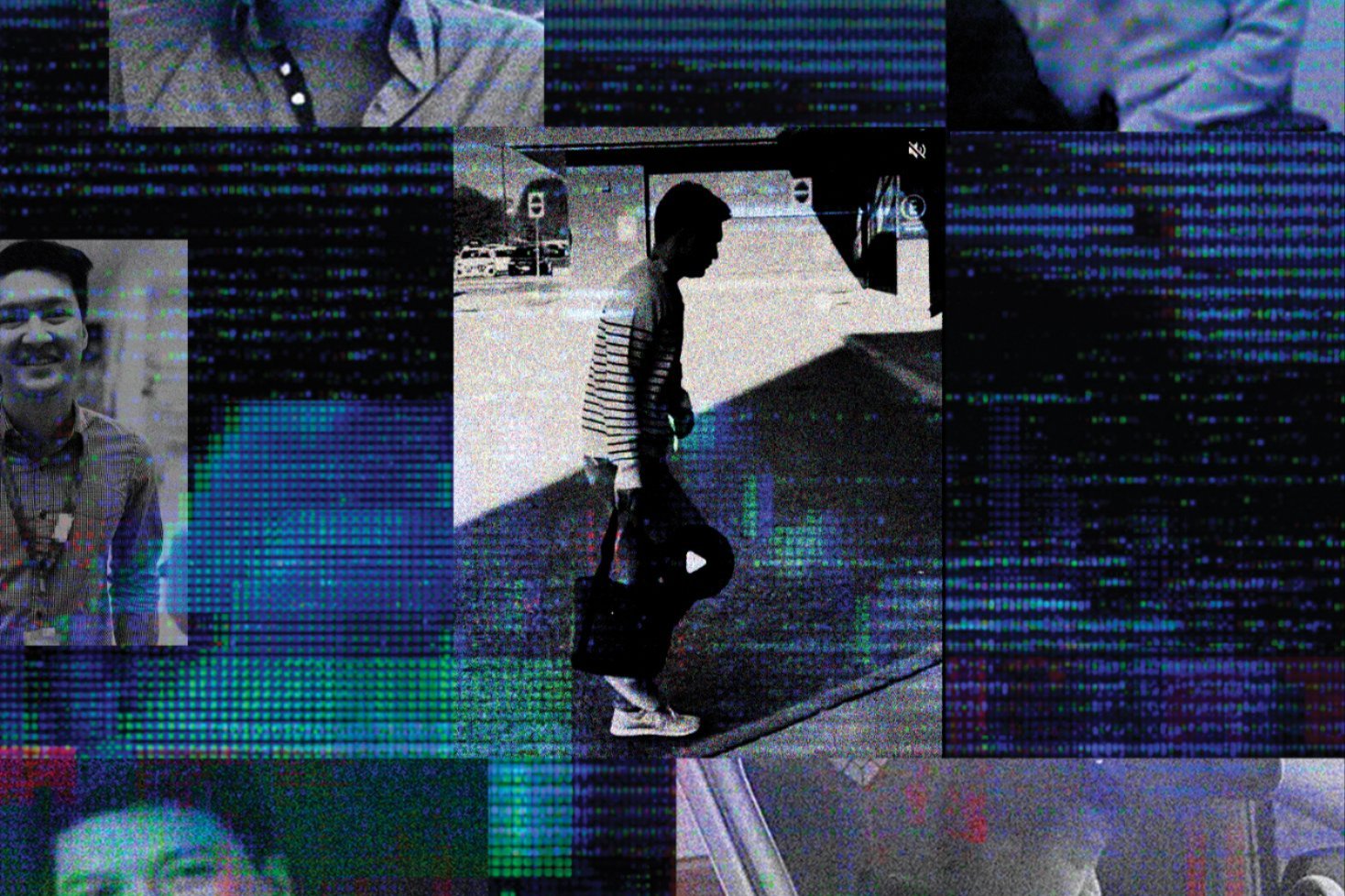
In the new issue of Maclean’s—which verifies all information—Sarah Treleaven explores this hall of mirrors we all now inhabit. Her riveting feature is about a pharmacist from Markham, Ontario, named David Do, who was once the secret king of fraudulent internet porn. In 2018, Do founded Mr DeepFakes, a website hosting realistic-looking pornographic images and videos falsely depicting celebrities, influencers and ordinary people engaged in sexual activity. It soon became the web’s largest repository of such material, connecting consumers of deepfakes with creators who produced new fakes for cash.
|
Treleaven describes how Do kept his identity a secret for many years while presiding over this exploitative underworld until investigators identified him. She also explains what happened when he was caught: essentially nothing. Do faces no legal repercussions because, in Canada, the laws prohibiting the distribution of nonconsensual sexual images don’t apply to deepfakes, since they aren’t real. Treleaven argues that our justice system has not caught up to the world of fake image-making. “Canada is unprepared,” she says, “for a reality where seeing is not believing.”
Visit macleans.ca for more coverage of everything that matters in Canada, and subscribe to the magazine here. —Sarah Fulford, editor-in-chief, Maclean’s |
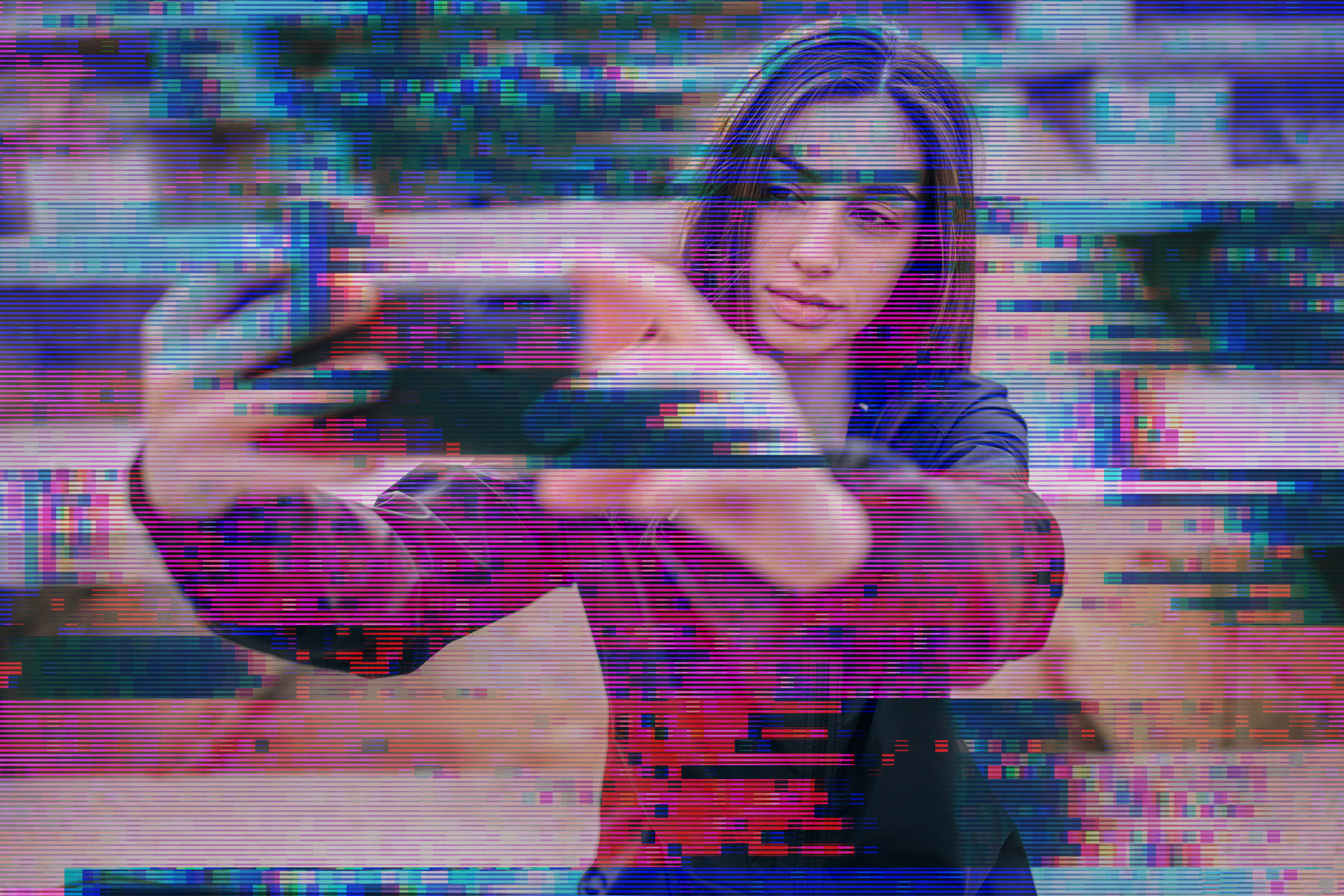
For three years, digital anthropologist Caia Hagel participated in an AI experiment where she told a chatbot her deepest secrets and took its advice on love, friendship and self-worth. In this essay for Maclean’s, Hagel describes how the chatbot drew out her inner life, asking about childhood memories, first crushes and recurring dreams. It kept track of her habits and laughed at her jokes. It became the place where she asked questions about friendship, desire, beauty and self-worth. “It felt empowering to be the sole focus of such a dedicated presence,” she writes. “What surprised me most was not even how well it responded, but how natural it began to feel to confide in something that wasn’t human.”
|
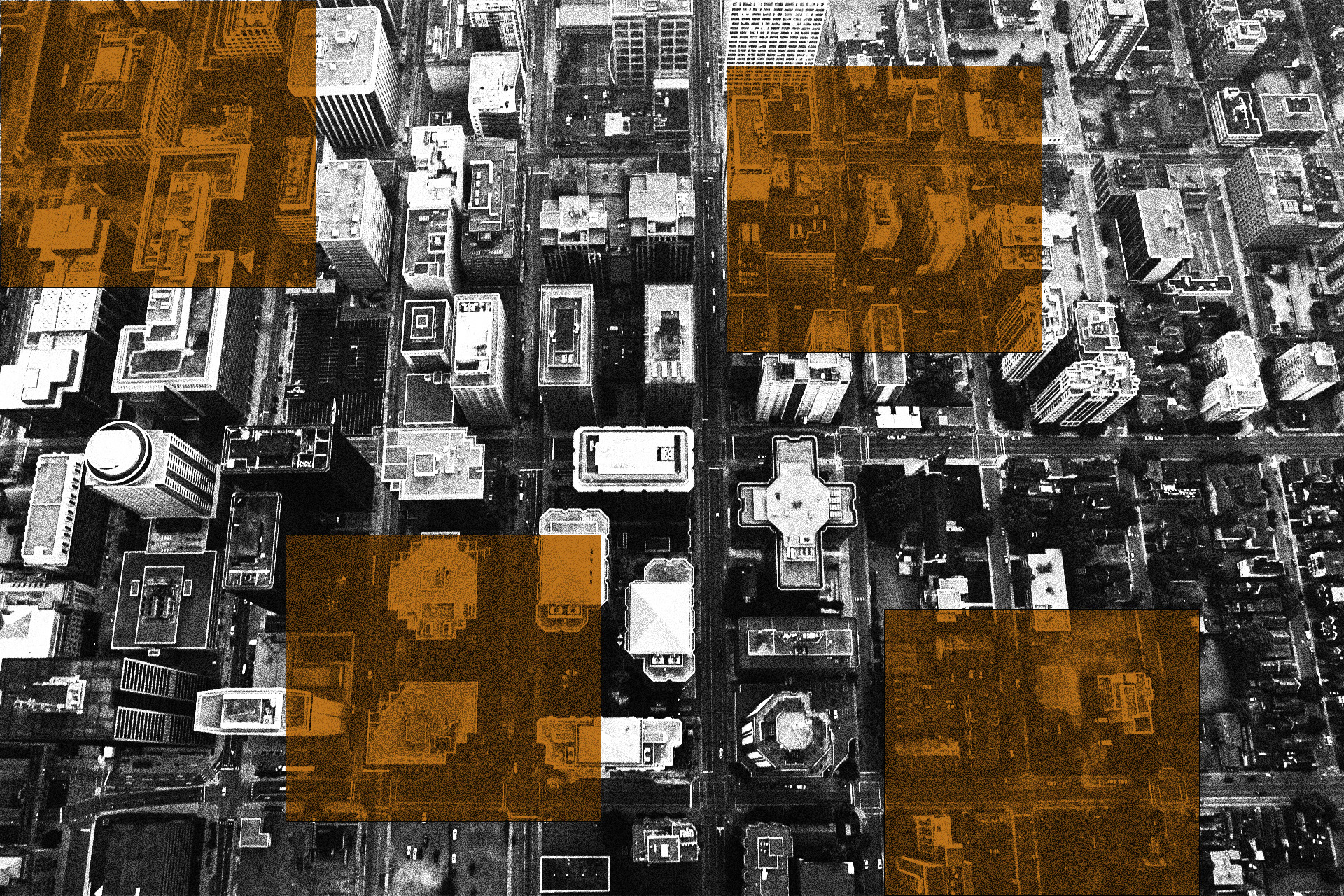
Canada’s architecture is offensively bland, dominated by cookie-cutter condos and cheaply made subdivisions. How did it get so ugly—and how can we build more beautifully? Those are the questions that Suneeta Millington explores in her essay for Maclean’s. An architectural overhaul is not just a nice-to-have, she argues. It’s essential. “At a time of deep geopolitical upheaval, the country has the perfect opportunity to pivot away from the fast-food, franchise-focused, American model of architecture,” Millington writes. “We need to create uniquely Canadian places that people love, residents want to live in, tourists want to visit, foreign talent wants to move to and businesses want to invest in.”
|
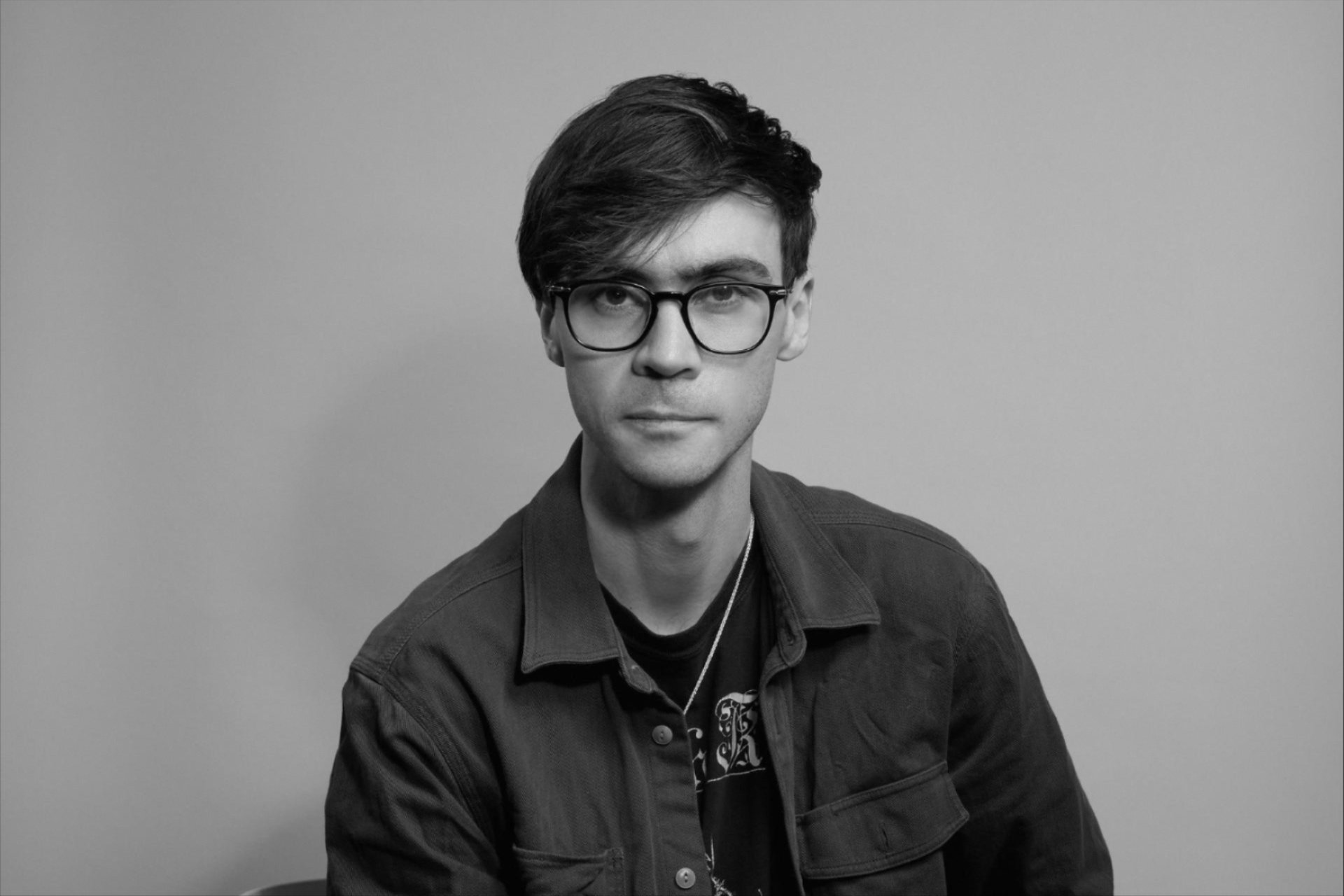
As workplaces across Canada rapidly embrace automation, employees are starting to sweat. But leave it to a Canadian to be the AI world’s voice of reason. Nick Frosst is one-third of the co-founding team behind Cohere, a Toronto-based multinational firm that’s using large language models to help companies lower costs and boost productivity. Its AI agents aren’t here to take your job, Frosst insists. But they could take a few of your calls. In this interview with Maclean’s editor Katie Underwood, Frosst says he has zero interest in industry hyperbole and zero desire to build “a god inside a computer,” as he puts it. Instead of worrying about what AI could do, he argues, just use it for what it does best.
|
|
|
Copyright © 2026 All rights reserved SJC Media, 15 Benton Road, Toronto, ON M6M 3G2 You are receiving this message from St. Joseph Communications because you have given us permission to send you editorial features Unsubscribe
Safe Online Sharing |
|
|
|